
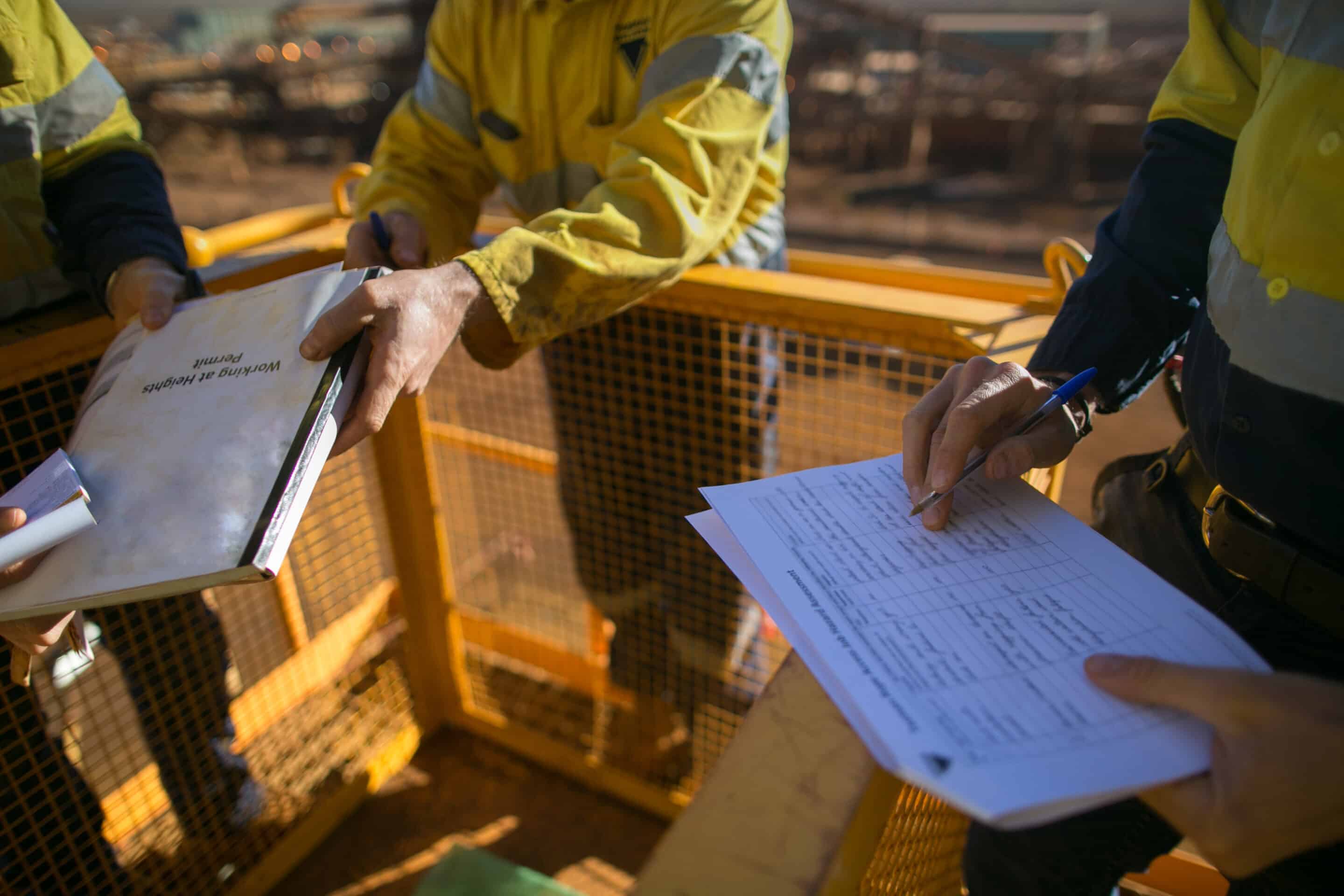
In high-risk industries, serious and catastrophic events are rarely the result of a single failure—they happen when the few controls that really matter do not work as intended. Critical Control verification focuses on these “must-not-fail” controls, ensuring they are designed well, implemented correctly, and working reliably before an incident tests them.
Why Critical Control Verification Matters
Critical Controls are those barriers that prevent major incidents (explosions, collapses, serious injuries, major spills, and community or environmental harm). Verifying them is essential because it:
- Confirms that controls are in place and effective, not just documented.
- Provides assurance to leadership, regulators, and external frameworks that risks are being managed in practice, not just on paper.
- Supports alignment with international standards and expectations such as ISO 45001 (occupational health and safety), ISO 14001 (environmental management), OSHA and MSHA regulations in the United States, and sector initiatives like The Copper Mark for responsible copper production.
Industry Examples of Critical Controls
Below are some practical examples of what “critical” looks like in different high-risk environments:
- Manufacturing
- Machine guarding and interlocks on high-energy equipment.
- Lockout/tagout (LOTO) procedures and verification before maintenance.
- Fixed gas detection and automatic shutdown systems in areas with flammable or toxic atmospheres.
- Oil and Gas
- Well control barriers (BOP integrity, pressure testing, and monitoring).
- Permit-to-work and isolation controls for hot work and confined space entry.
- Integrity and leak detection systems on pipelines and storage tanks.
- Construction
- Fall protection systems (anchorage, lifelines, guardrails, nets) on elevated work.
- Crane and lifting controls, including load charts, inspections, and exclusion zones.
- Trenching and excavation controls such as shoring, benching, and safe access/egress.
- Mining
- Ground control systems (rock support, barricading, monitoring of slopes or stopes).
- Ventilation controls to maintain safe air quality and manage explosive atmospheres.
- Traffic management plans, collision-avoidance systems, and brake testing for heavy mobile equipment.
In each of these cases, failure of a critical control can lead to multiple fatalities, permanent disability, major environmental damage, or loss of license to operate. This is why regulators and standards bodies—from OSHA and MSHA to ISO standards and programs like The Copper Mark—expect evidence that these controls are verified, not assumed.
How Critical Control Verification Helps You
A focused Critical Control verification program enables your team to:
- Identify which controls are truly critical for your top material risks (e.g., working at height, energy isolation, confined spaces, ground instability, process safety).
- Define clear performance standards and verification tasks for each control (who checks what, how often, and to what criteria).
- Capture verification results in a consistent, auditable way so leadership can see where controls are strong, where they are failing, and where urgent action is needed.
- Demonstrate conformance with ISO 45001, ISO 14001 and related management system requirements for operational control, monitoring, and continual improvement, while aligning with OSHA/MSHA expectations around hazard control and inspection.
- Provide reliable evidence for sector frameworks such as The Copper Mark that require robust risk management, critical controls, and transparent verification.
By putting structured Critical Control verification at the center of your risk program, you move beyond generic checklists to a targeted approach that directly reduces the likelihood and consequence of your most serious events.
If you would like to discuss how to implement or strengthen Critical Control verification across your sites—whether in manufacturing, oil and gas, construction, or mining—please reply to this email and our team will be happy to set up a working session.